Stock discrepancies, end-of-day guesswork, and loyalty programs that die at the door — these aren't growing pains. They're system problems. Vizion Tools fixes them at the architecture level.
You open your second store and the spreadsheet breaks. By the fifth location, you're managing five versions of the same data — and none of them agree. A purchase order gets logged in one place, a return lands somewhere else, and by Thursday's team call you're reconciling numbers nobody fully trusts.
This isn't a people problem. Your ops team is working hard. The problem is that the tools they're using were designed for one location, not five. Manual end-of-day reconciliation, static inventory snapshots, loyalty that resets at the door — these are symptoms of a backend that hasn't grown with the business.
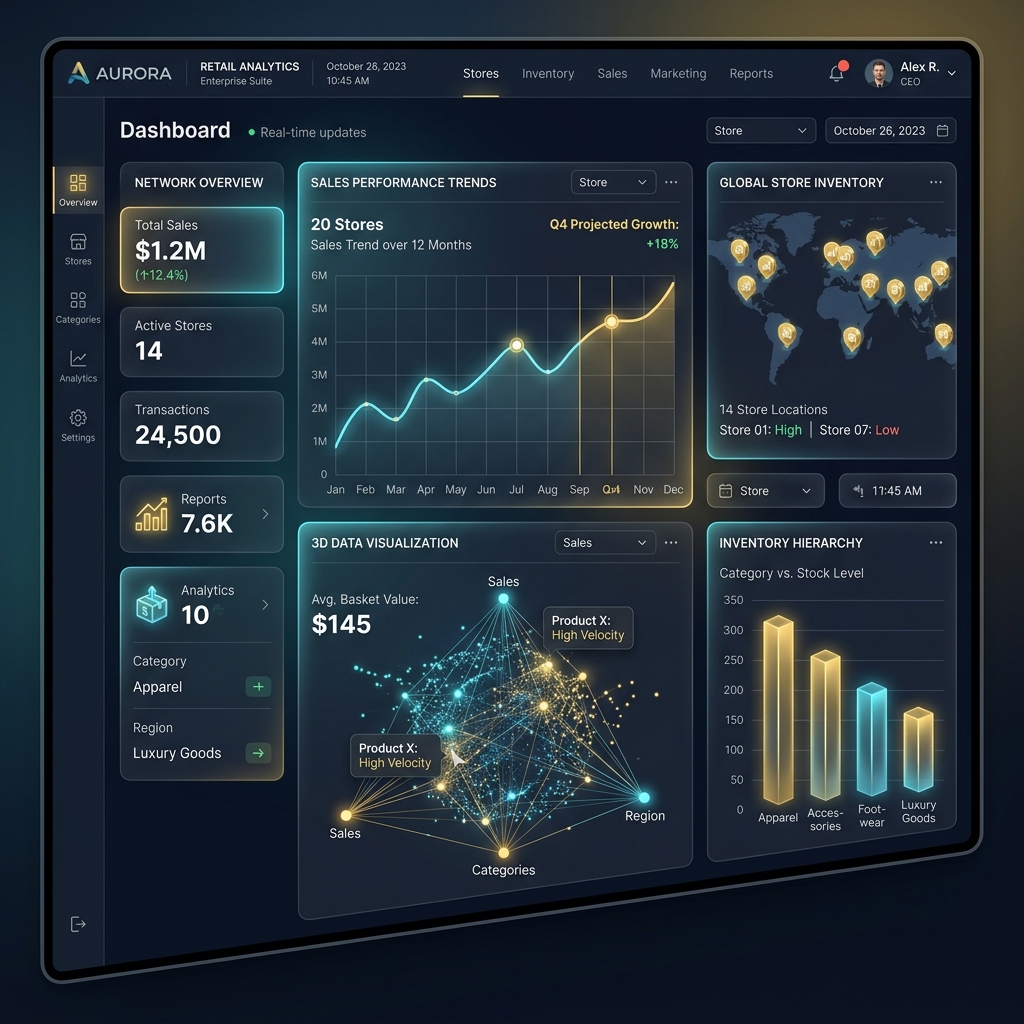
Vizion Tools deploys Odoo's retail suite with configuration built around multi-outlet operations: real-time inventory sync, unified loyalty, and dashboards that show you exactly what's happening across every store before 9 AM. As a certified Odoo partner, we don't hand you a license and disappear — we build the system around how you actually operate.
When stock levels live in different systems — or worse, different tabs — discrepancies compound faster than anyone catches them. Odoo's multi-warehouse inventory ties every location to one backend: stock transfers, reorder points, and cycle counts all run from the same database. What one store receives, every manager can see.
Real-time stock sync across all locations the moment a sale, return, or transfer posts
Automated reorder triggers set per SKU per location — no more "we ran out" discoveries
Variance reporting that flags discrepancies per outlet, per week
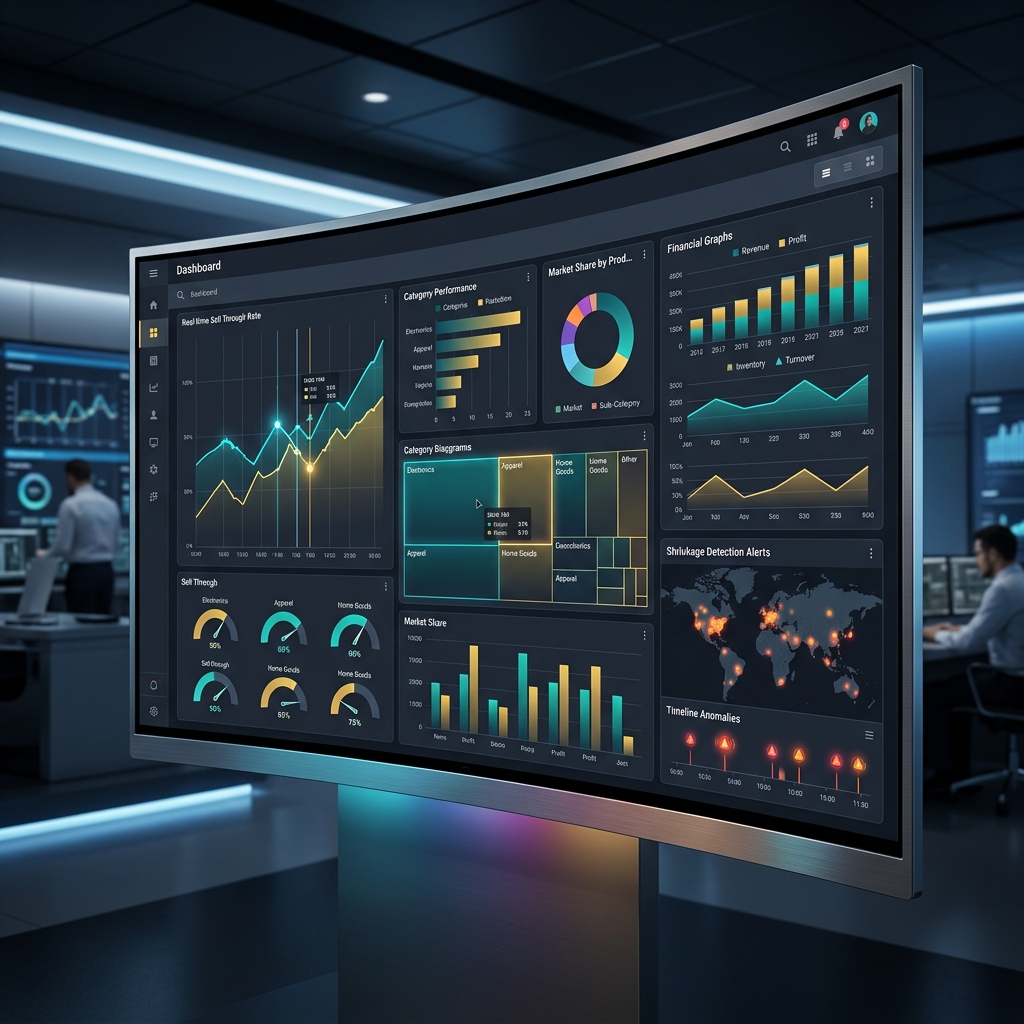
Live sell-through rates don't exist on a spreadsheet updated at close of day. Vizion Tools configures Odoo's live dashboard suite specifically for retail operations — by location, by category, by staff performance. Catch shrinkage trends before they become a write-off.
Per-store, per-hour sales dashboards accessible on any device
Category-level sell-through rates to identify dead stock
Shrinkage detection alerts triggered by POS-inventory variance
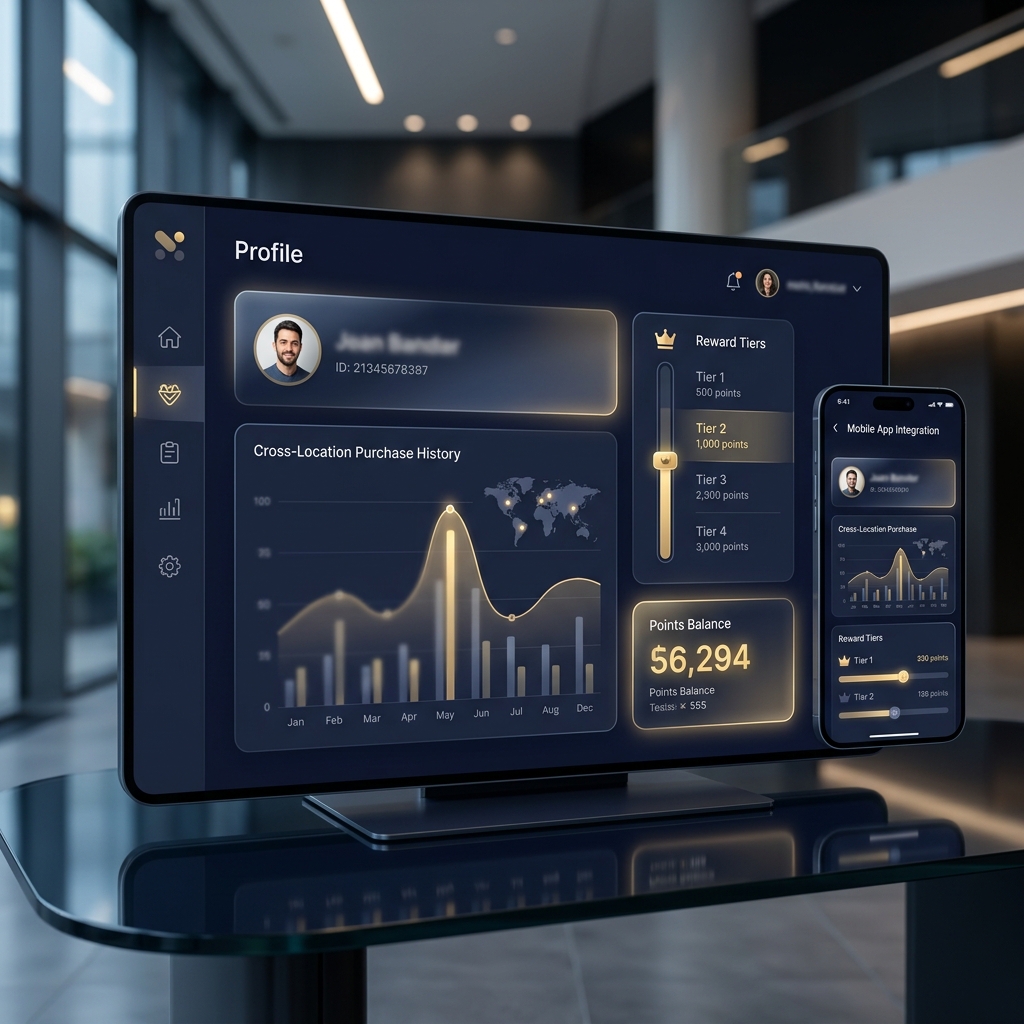
A customer who shops your Connaught Place store and visits your Lajpat Nagar outlet expects to use their points. Odoo's unified loyalty module ties customer accounts to the chain, not the branch. Points follow the customer across every physical and digital storefront.
Loyalty accounts linked to customer identity, not store location
Automated tier calculations based on total chain spend
Consolidated purchase history available at checkout for any staff member
The average multi-store retail manager spends hours each week reconciling data. That time doesn't disappear when you deploy an ERP. It gets reallocated. Owners who were pulling reports are now reading them. The business doesn't run faster — it runs on better information.
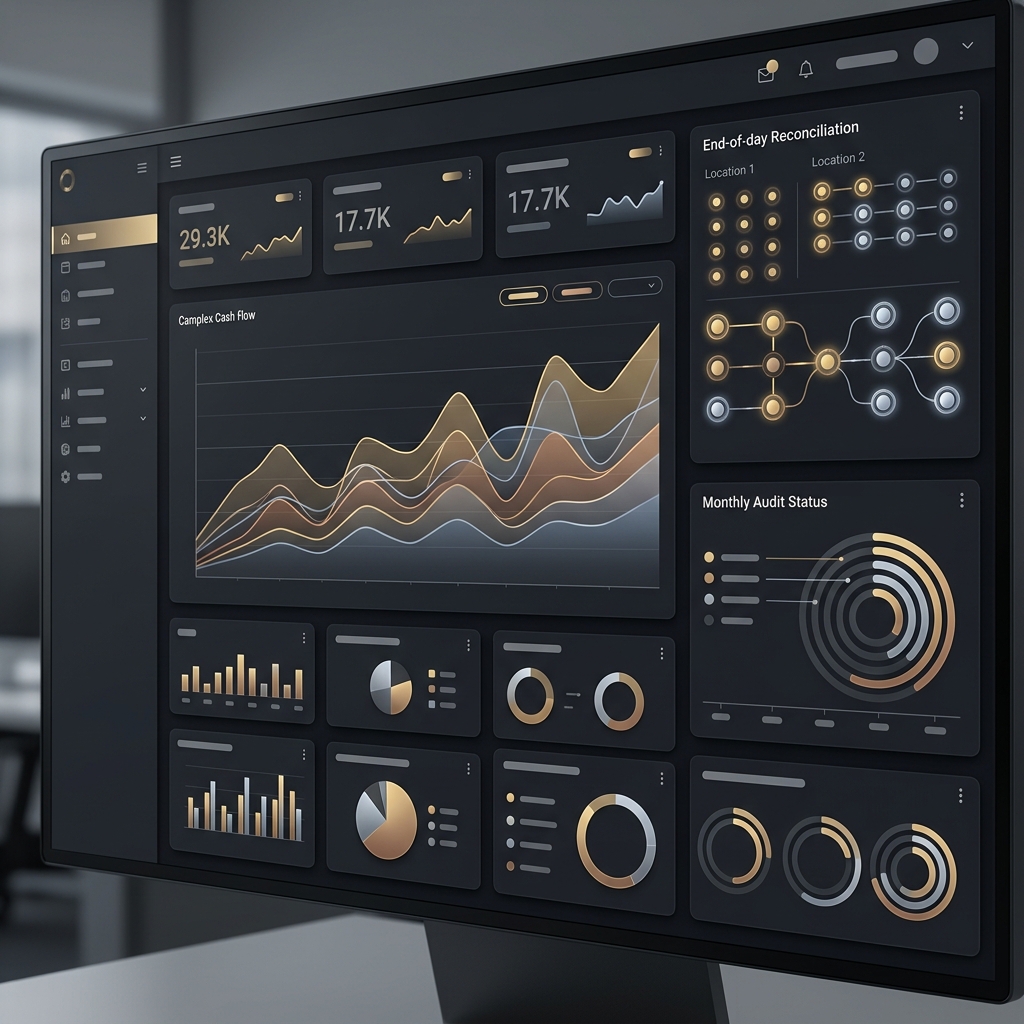
Automated end-of-day reconciliation across POS, inventory, and finance
Weekly performance reviews replace daily data-fixing sessions
Finance closes monthly books in days, not weeks
In inventory discrepancies within 90 days.
A 12-outlet retail chain in Jaipur after switching from manual tracking to Odoo multi-warehouse inventory management. No new staff. Same product lines.
You're past the stage where a single POS handles everything, but not yet large enough for a custom enterprise build. Odoo scales to exactly where you are.
Your online and offline inventory need to talk. Overselling online because a store sale didn't sync is a customer service crisis waiting to happen.
Opening a third or fifth location on a broken backend makes every subsequent location harder. Build the infrastructure now and the sixth store is just configuration.
A POS records transactions. A retail ERP connects those transactions to inventory, finance, loyalty, purchasing, and reporting in real time. When a sale posts, stock adjusts, revenue books, and reorder logic fires — automatically.
In most cases, yes. Odoo supports standard receipt printers, barcode scanners, and cash drawers. Vizion's implementation team assesses compatibility during the discovery phase before any purchase is made.
For a 3–5 store chain with clean product data, a typical deployment runs 6–10 weeks. Larger chains or complex inventory structures take longer. We provide a detailed project timeline before engagement starts.
Vizion migrates transaction history, customer records, and loyalty balances as part of standard implementation. Data migration scope is confirmed during the initial discovery sessions.
Yes. Odoo handles variant management (size, color, material), seasonal collections, consignment, and inter-store transfers — all common to fashion and specialty retail. Configuration is what makes it work for your category.
Tell us how you're currently managing inventory across locations. In 30 minutes, we'll show you exactly where the breakdowns are and what a fix looks like.
Book a Free Consultation